
In early 2023, Dela spent time immersed in Global Justice and Transformation across New Zealand, witnessing and learning from Māori values, contexts, and customs, particularly in relation to criminal justice reform, cultural preservation, and reparations.
In debriefs that followed, including conversations with Chicago-based community organizer Rich Wallace and New York-based criminal justice advocate Devon Simmons, the three discussed the difficulty in imagining a world that centered on repair without having experienced it.
This seeded the concept of bringing social repair experiences face-to-face with distant communities.
Informed by Liberation Ventures' 2023 research on stories of racial repair in the media, Dela finds language to frame a collective experience: While 77% of Black Americans support reparations in some form, only 7% believe they are extremely or very likely to occur in their lifetimes. Researchers at Liberation Ventures call this “The Hope Gap.”
The BLIS Collective expounded upon this research in 2025, finding cross-movement support between Black Reparations and Indigenous Land Back movements, demonstrating that “braided narratives,” or “those that link struggles and futures across movements,” are essential tools for support and solidarity.
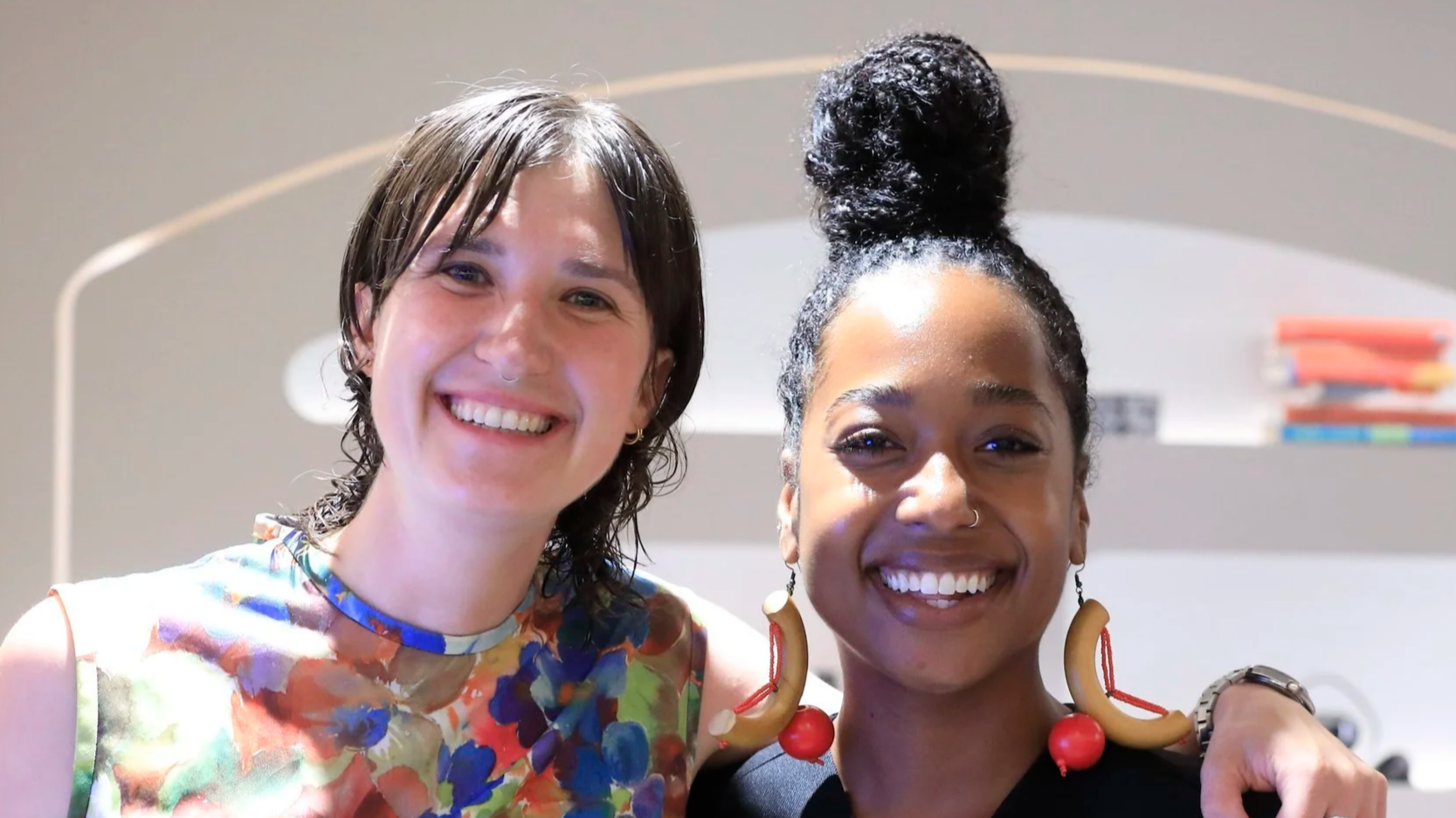
In 2024, Dela received a seed grant from the XR Lab at the Rhodes Trust/Atlantic Institute.
The XR Lab team, including Alice Wroe and Richard Smith provide technical assistance and exploratory space to test and evaluate initial concepts and narrative strategies.
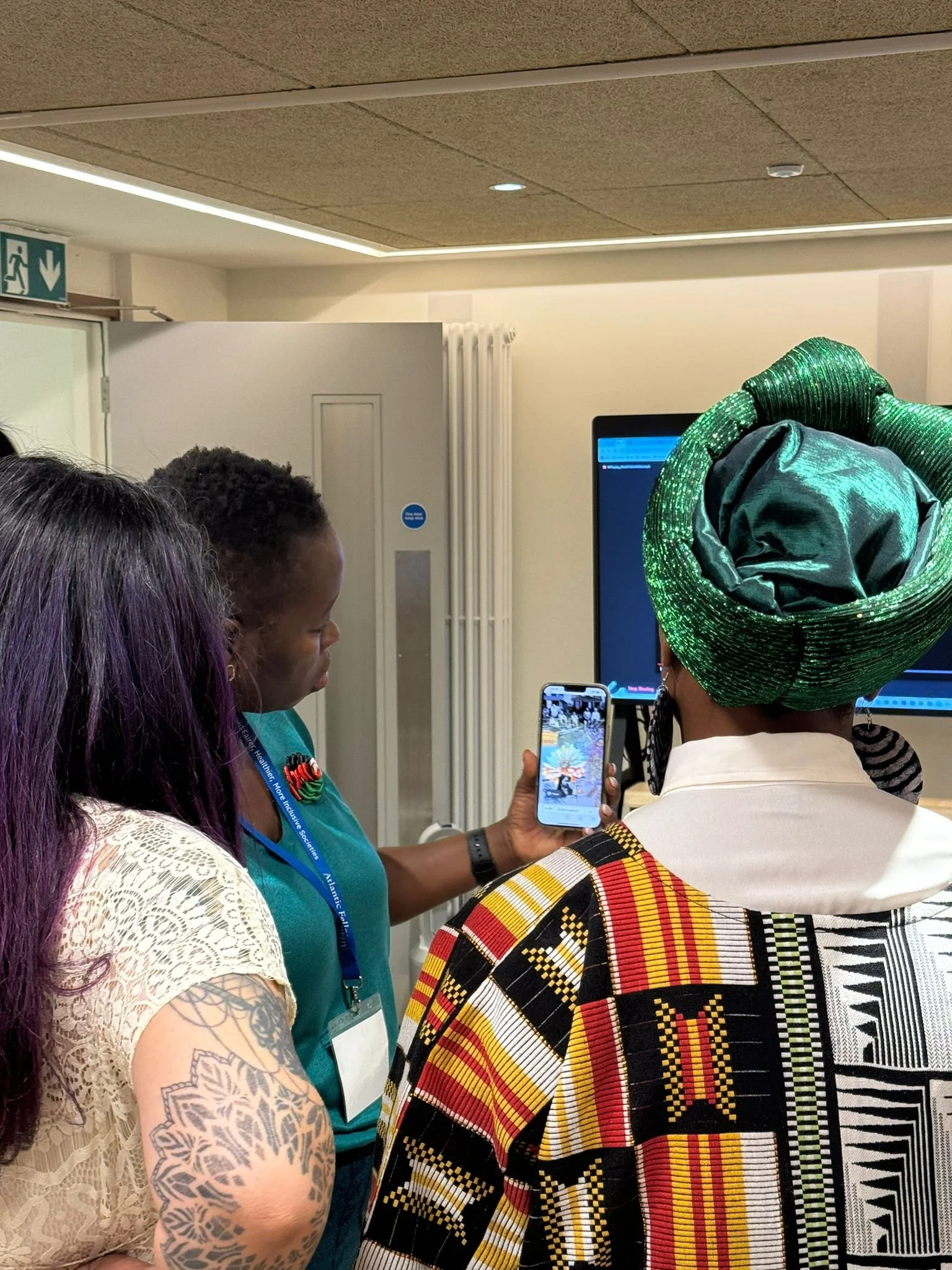
Dela and Richard Smith design “Windows of Opportunity,” a mobile-powered augmented reality experience bringing Linda Bilmes and Cornell William Brooks’ research, “Normalizing Reparations: U.S. Precedent, Norms, and Models for Compensating Harms and Implications for Reparations to Black Americans” to life.
First screened at the Global Fellows Welcome in Oxford University, United Kingdom, the experience is later exhibited in Los Angeles, CA at the Riot to Repair Exhibition with support provided by ZEAL and Media 2070.
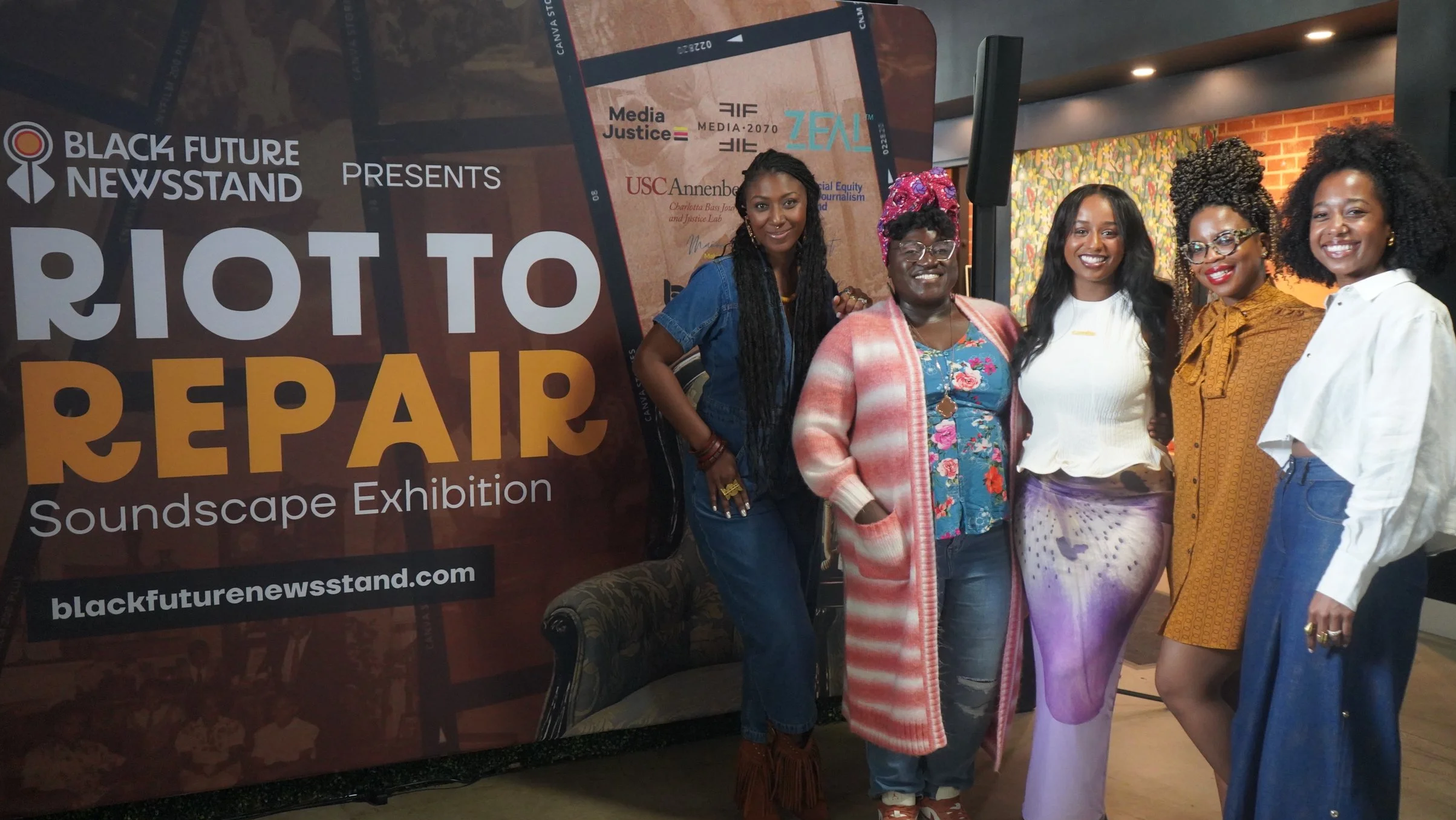
Riot to Repair was a multimedia immersive exhibition that took place in Los Angeles in May 2025, as part of the traveling Black Future Newsstand project organized by Media 2070 and welcoming over 100 media technologists, journalists, students, artists and funders.
The exhibition was anchored by an audio archive of curated interviews from Los Angelenos describing their lived experiences of the death of George Floyd and the 2020 uprisings. The interviews highlighted themes of grief, multiracial solidarity, the reclamation of Black voices, and the repetitive nature of anti-Black violence in the United States. “Windows of Opportunity” (precursor to The Hope Gap XR) complemented this soundscape, offering an augmented reality medium to explore reparative policies in practice and imagine a world beyond harm.
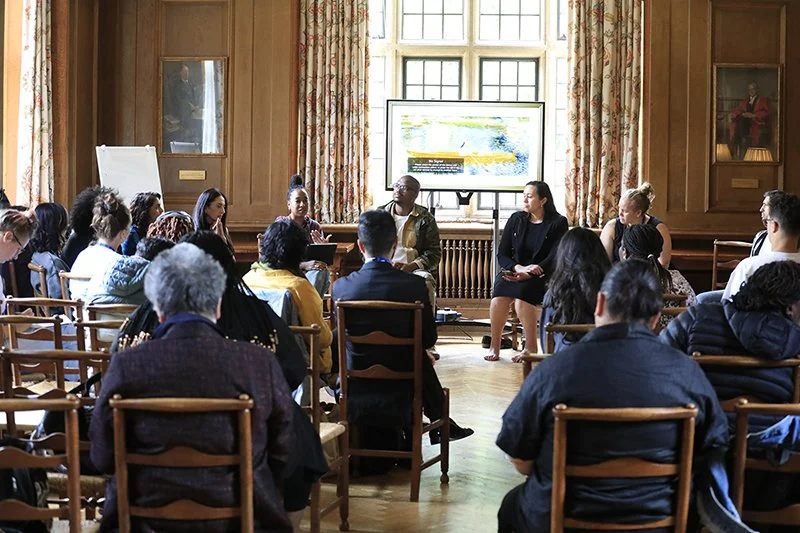
A trans-national dialogue with activists across South Africa, Aotearoa (New Zealand), and the United States to explore how storytelling can advance restorative justice movements.
The session examined how narrative strategy—through stories, messages, and core narratives—can help decolonize mindsets, strengthen cultural identities, and build global solidarity for repair. Key themes included reframing narratives that impede progress, aligning understanding across languages and cultures, transforming relationships to wield power through storytelling, and addressing disparities between support for reparations and belief in their feasibility.
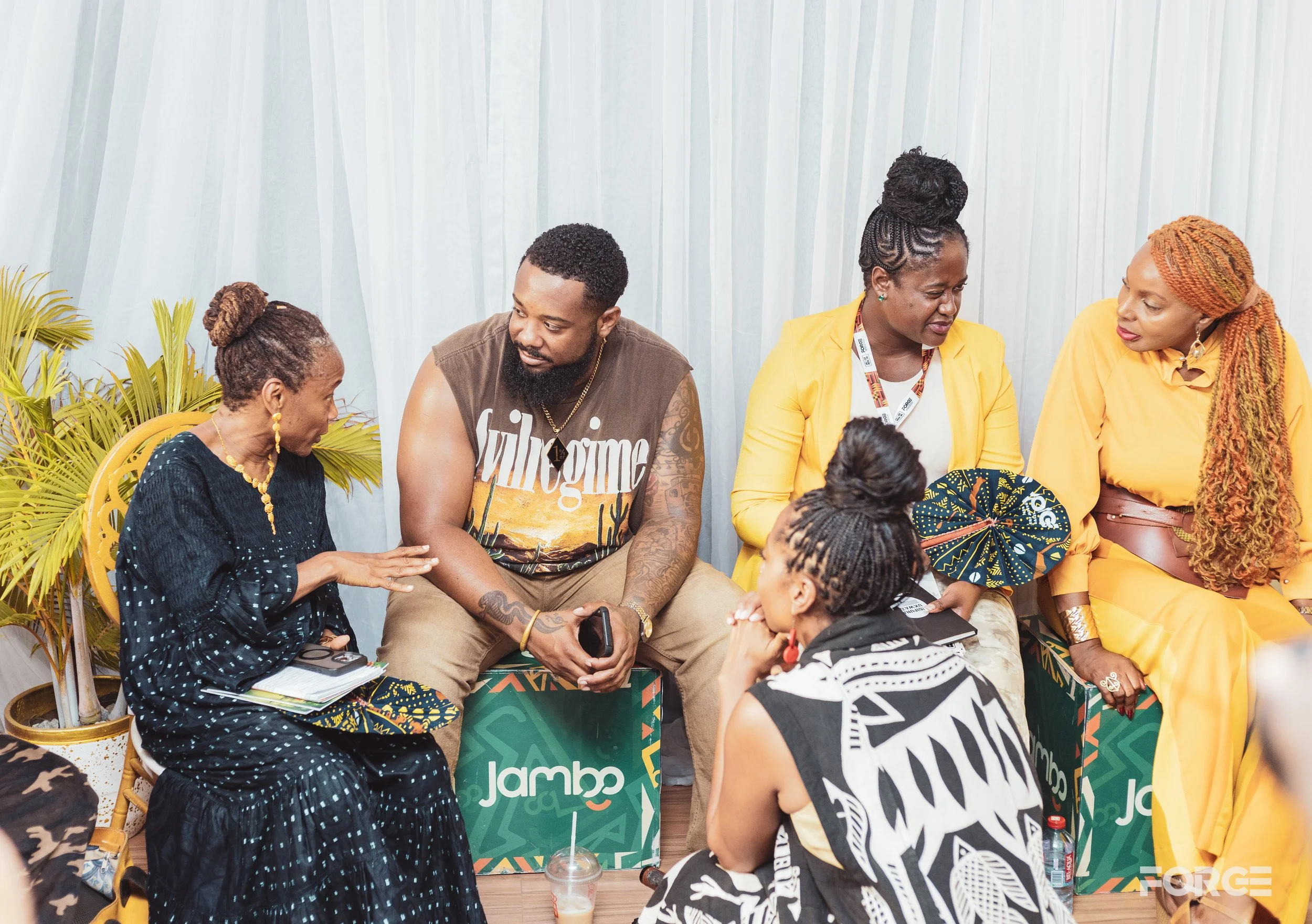
Throughout 2025, the initial proof of concept is explored across various activist communities: globally, through the Atlantic Fellows network and FORGE: Harnessing Creativity for Reparatory Justice in Accra; regionally through the National Symposium for State and Local Reparations in Evanston, IL; and locally through the Riot to Repair exhibition in Los Angeles, CA.
Feedback informs script adaptations, pedagogy, and overall experience design.
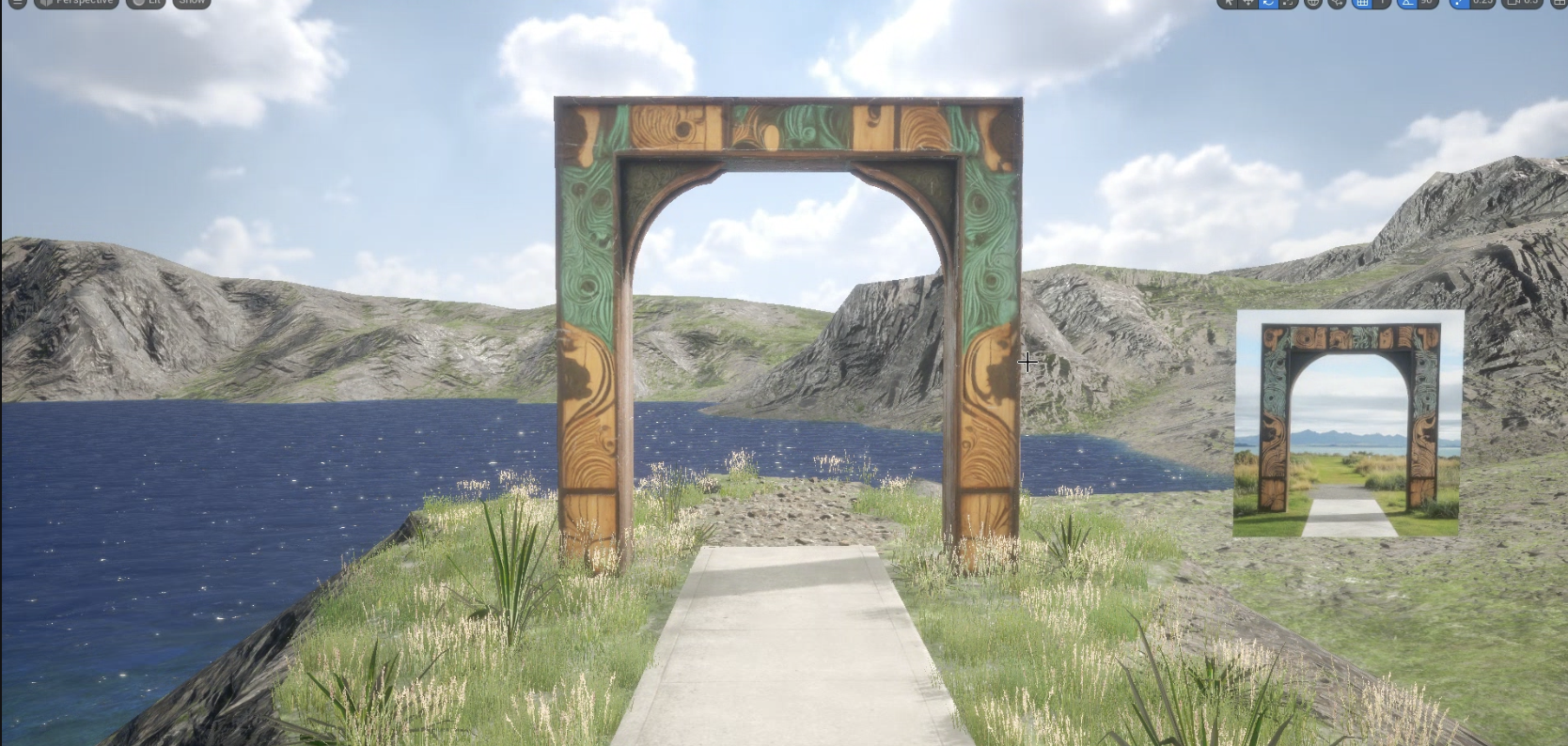
In July 2025, the Hope Gap XR vertical slice (or trailer) is produced in partnership with GRX Immersive Labs and an international team of diverse designers and developers.
The 15-minute work-in-progress includes previews of Aotearoa (New Zealand) and Namibia, with full immersion into Evanston, IL- - home of the first municipally-funded reparations policy in the United States.
Haptic features within the VR experience help bring the abstract to life - articulating movement, practice, and repetition as collective actions required for social repair.
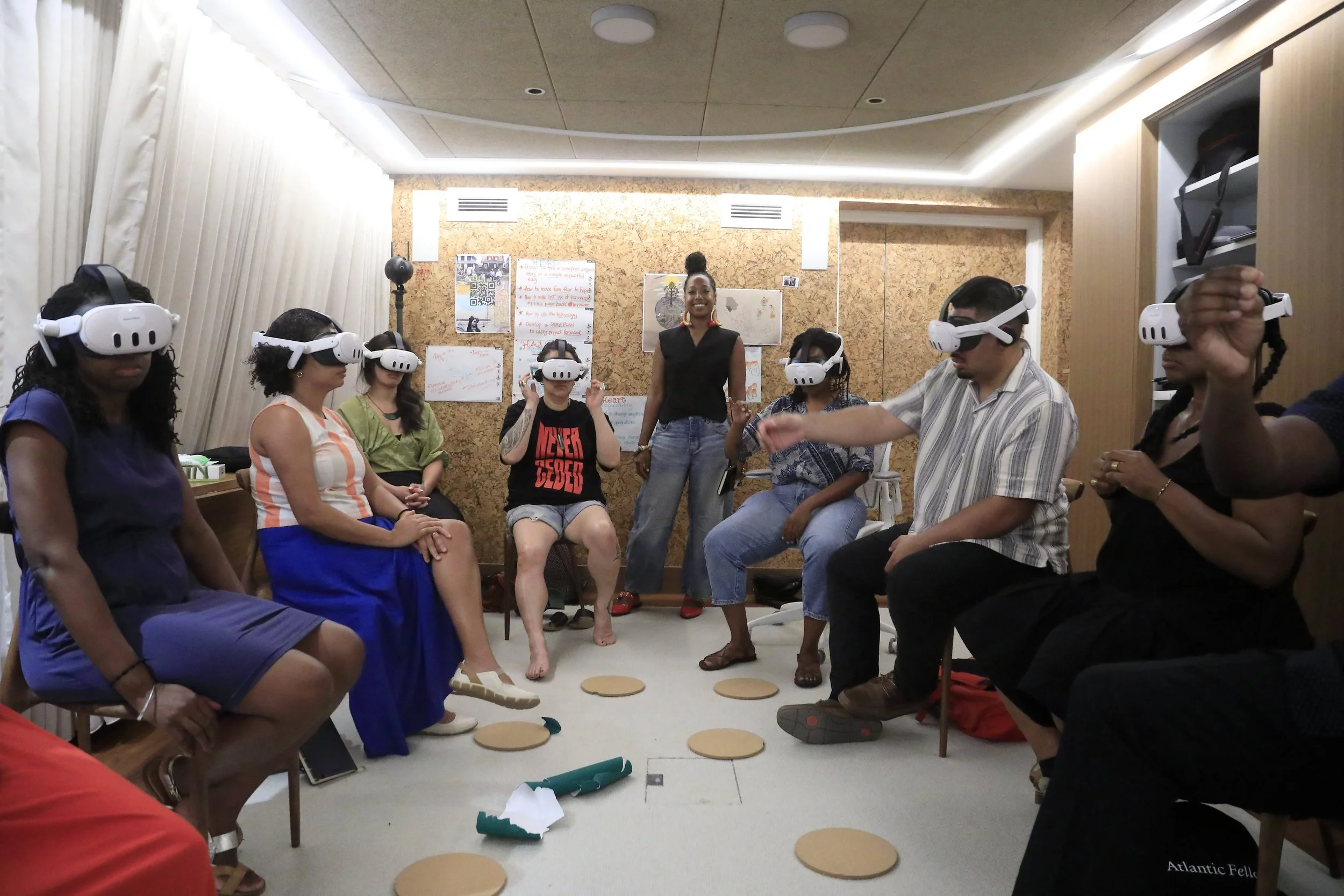
The Hope Gap XR “work-in-progress” was screened by 40 impact-focused professionals, representing philanthropic and activist organizations across the UK, US, Brazil, New Zealand, Senegal, and France.
Feedback continues to inform user experience and design.
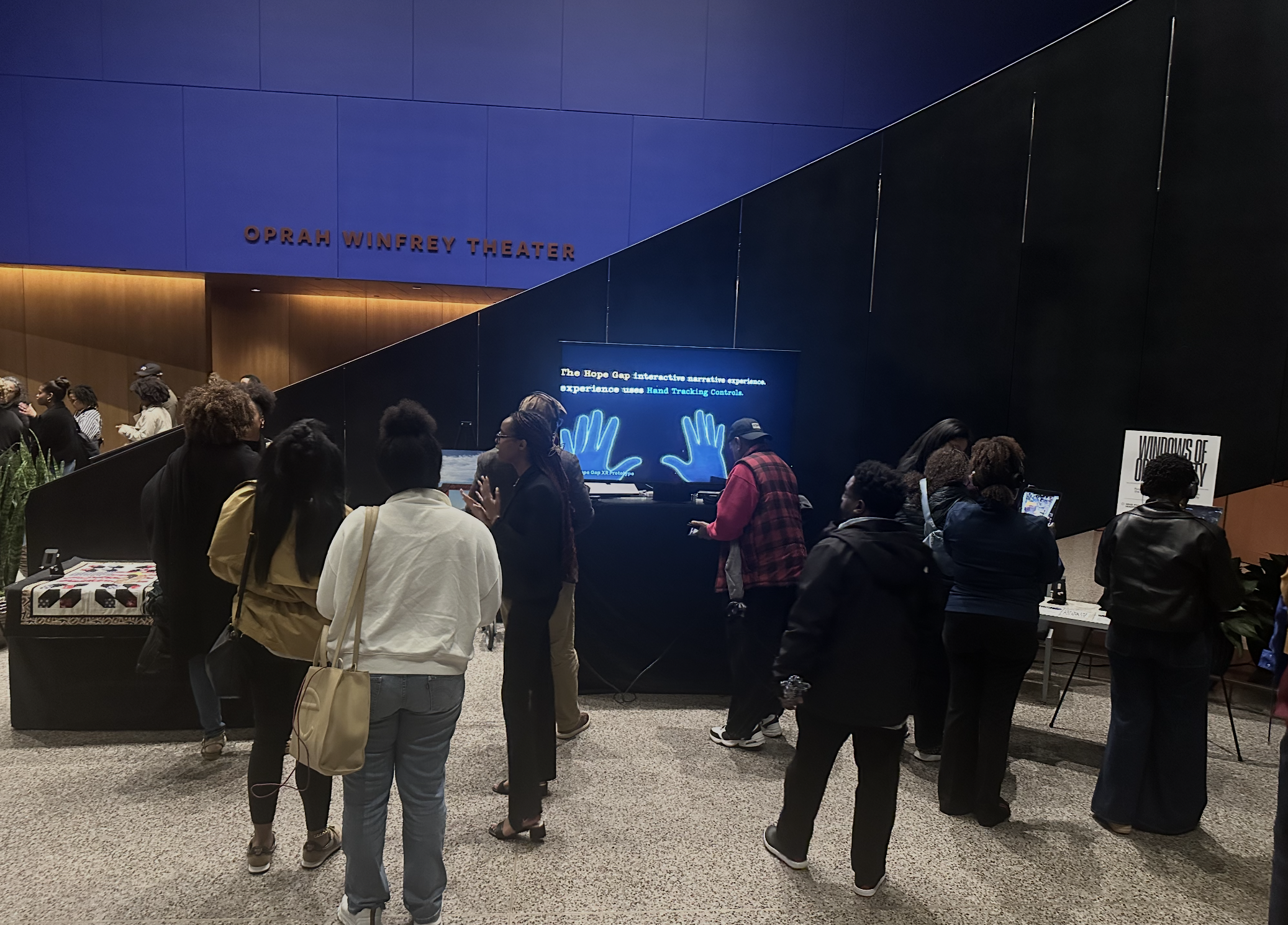
In April 2026, The Hope Gap XR was invited to adapt a virtual reality experience as part of the Octavia Butler Lecture: Faith + AI, hosted by the Smithsonian’s National Museum of African American History and Culture.
The Octavia Butler Lecture brings together visionary thinkers to explore the intersections of faith, technology, ethics, and culture, continuing Butler’s legacy of imagining more just and equitable futures. Helping to illustrate Dr. Ruha Benjamin’s dynamic talk, “Beware of False Profits: From Artificial Intelligence to Abundant Imagination,” we examined how emerging technologies shape human experience and how imagination and faith can guide more just and inclusive futures.
