
Catalyzing imagination through embodiment.
Imagination is our central system - the seed of every creative act; it colors the lines between worlds. Imagination is our most important brain capacity, and we are in a battle for our minds.
Faced with a convergence of crises: the further splintering of institutional trust, deepening racial and environmental wounds, and compounding harms abroad, we face exhaustion, disillusionment, and doubt. From here, our imaginations weaken, affecting our individual and collective capacity for resilience and change.
A “hope gap” is the measurable distance between belief and action. It occurs when doubt, fatigue, and disbelief cloud possibility, restricting our capacity to think creatively and making us less likely to invest energy, take risks, or persist through challenges. This gap can lead to increased cognitive load and decreased civic participation, threatening the sustainability of progressive movements.
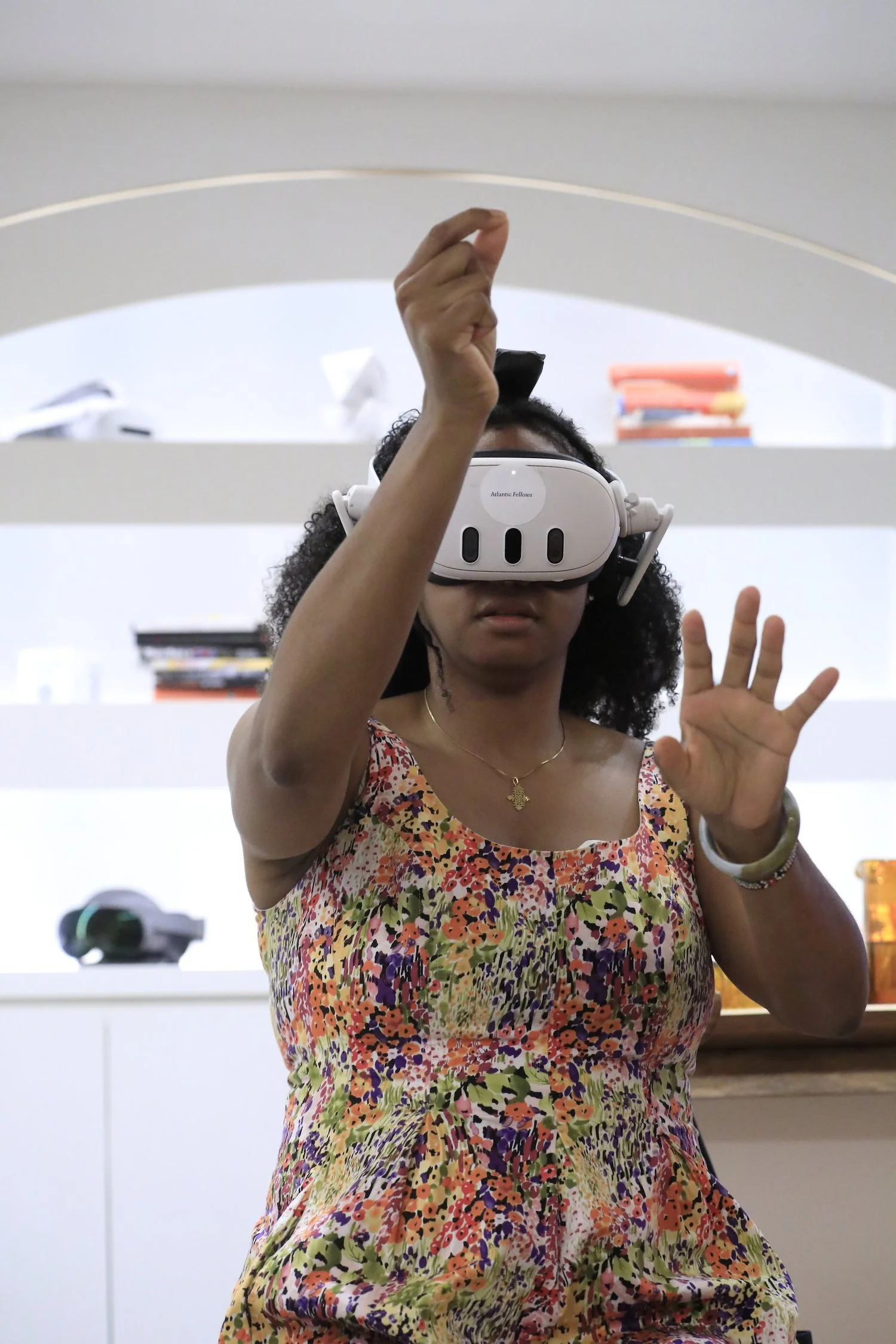
The Hope Gap XR is a civic infrastructure platform designed to restore belief in reparative, transformative, and democratic futures. We work at the intersection of immersive technology, brain health, and civic-cultural progress to shift what communities believe is possible.
Building on research and public discourse across the U.S. reparations movement, as well as in psychology, economics, and public health globally, the platform turns practical optimism into meaningful educational and restorative experiences based on present-day progress.
Windows of Opportunity AR
A QR-code powered augmented reality experience, set to a soundscape of Cornell Williams Brooks and Linda Bilmes' research, Normalizing Reparations, it translates the architecture of federal reparations policy into something a body can encounter, not just process.


The Hope Gap XR
Using virtual reality headsets, experience reparative and transformative justice movements in progress across New Zealand, Namibia, and Evanston, IL, engaging with notions of time, labor and land and considering who guides you, how we mend, and how cultures of repair embed, systemically.
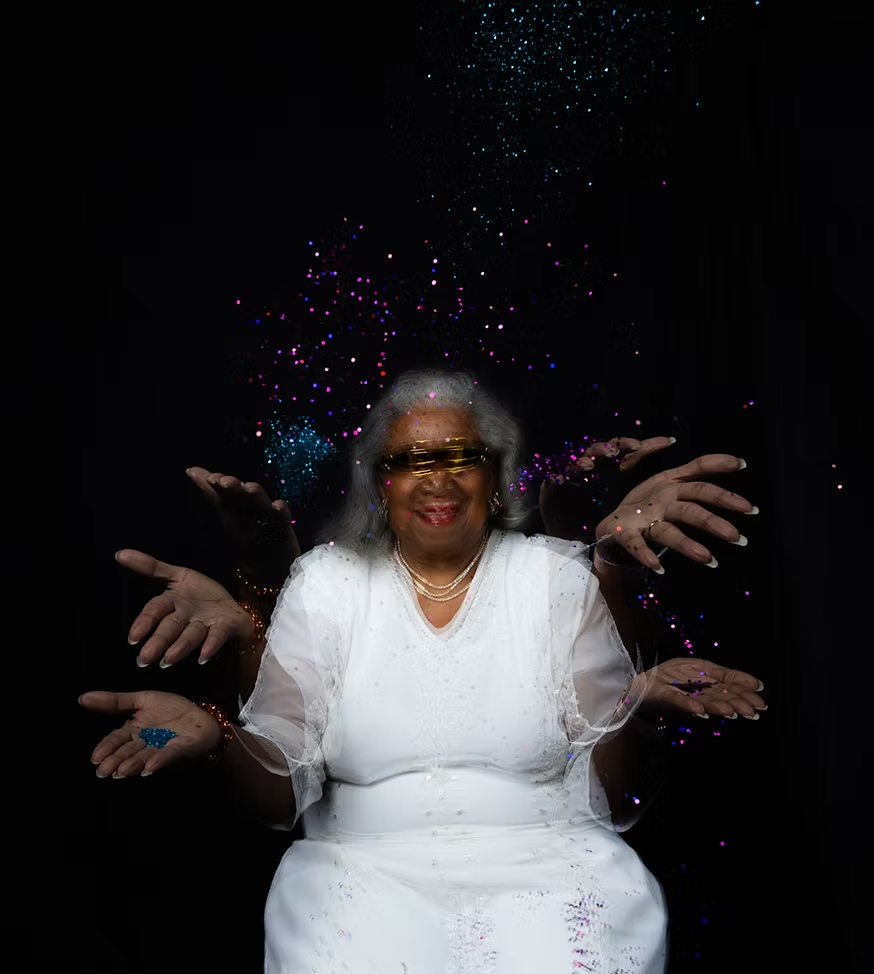
Temporal liberation as method.
The Hope Gap XR refuses linear time. Rooted in Afro-futurist tradition, the experience collapses past, present and future in to a single field of possibility. A guiding presence - embodying the intellectual, spiritual, and organizing labor of pioneering women in the abolition and reparations movement - serves as narrator, witness and compass. Her character is lineage.
Afro-Futurism + Ancestral Guidance
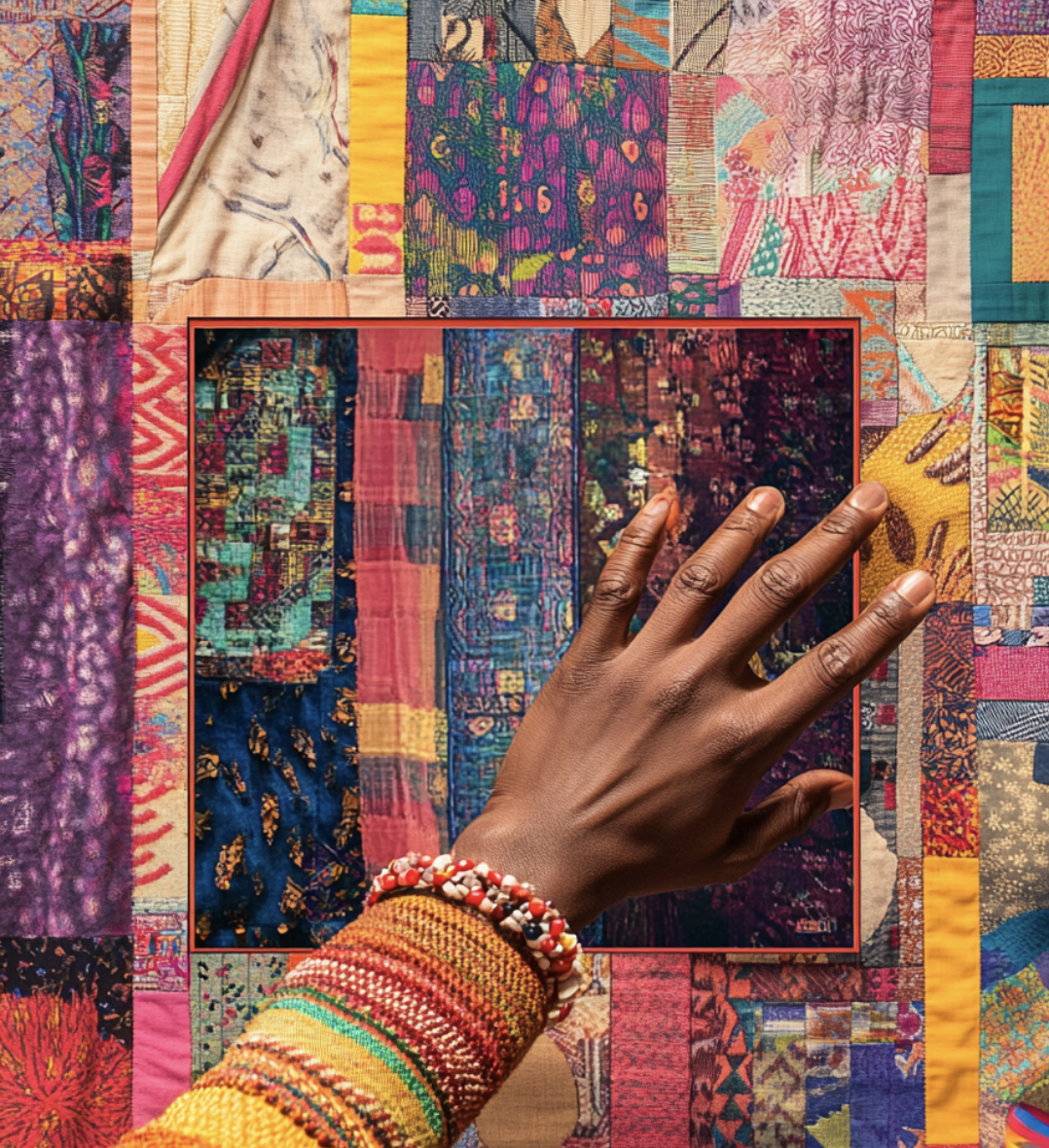
Repair as Practice, Not Policy.
In African American history, quilts encoded escape routes along the Underground Railroad and preserved stories when institutional archives refused. Across Indigenous traditions, textiles carry memory, governance, and cosmology.
Fabric is our archive.
Stitches of Hope
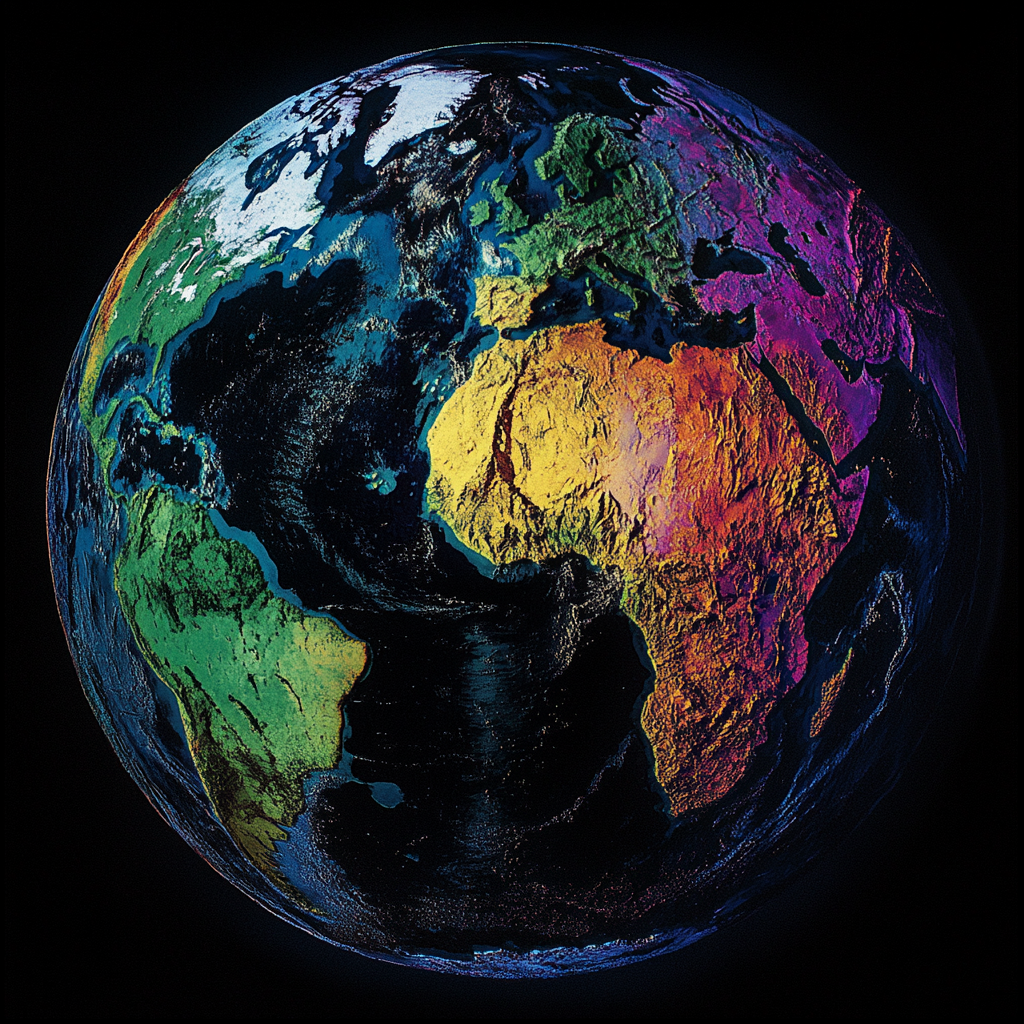
Geography as Moral Instrument
Deep Maps move beyond static cartography. They layer geospatial data with lived testimony, archival fragments, policy outcomes, and emotional resonance. Progress is visualized not as an abstraction but as a spatial transformation.
These maps expand over time, archiving community artifacts through 3D models.
Deep Maps
Frequently Asked Questions
Immersive technology carries unethical risks.
How do you safeguard against this?
A major critique positions VR as an “empathy machine” that commodifies suffering without proper context.
To prevent “false empathy,” our narrative centers wins - not harms or the trauma endured as part of the diasporic colonial experience. We explain the structural and political history that created the situation without placing the user in a scene of suffering.
Additionally, VR is just one component of a multi-modal experience, incorporating haptic technology within headsets and 2D environments, as well as accompanying curriculum.
How have communities been consulted in developing this experience?
Regional cultural advisors and movement leaders provide critique and approval of the script, including the use of references and cultural motifs.
Our commitment to participatory design includes partnerships with organizations like Shorefront Legacy Center and The Other Side of Time, to ensure permissions and compensation for the use of individual images and likeness.
In addition to advisors, community screenings inform product iterations. For more information, see Milestones.
Who owns the Intellectual Property?
The script and assets are owned by a U.S.-based non-profit organization, Due Goodies Foundation.